
A logo design is a company’s acknowledgement device for the items or for people to connect with them.
Has your logo evolved with time? The epigram to make a logo design plan is that to get the brand identity and recognizable picture as the one of a kind to help advance the organization.
When it comes to logo design, sometimes you have to face-plant before you can fly.
The philosophers’ way, change is the only constant in life. What can better approach be to explore and look into on how the logos have evolved in design?
We trust that this blog will help you understand how organizations have outlined their logo. And individuals could relate to their brand identity.
Google started as a research project by Larry Page and Sergey Brin and fundamentally propelled as BackRub in 1995-1997.
Beginning from an incorrect spelling of “googol”, this American multinational innovation organization is known as Google headquartered at Googleplex, California aims to provide abundant information to the users.
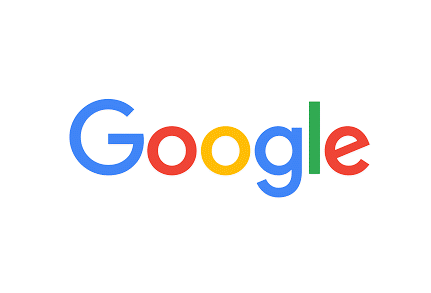
It’s been a rollercoaster ride for Google since the clipart design logo, so let’s get through the Google logo evolution phases,
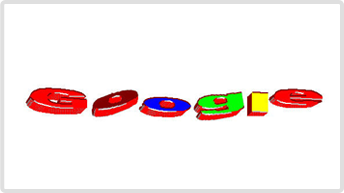
September 15, 1997 to September 27, 1998
While back in its developing stage in 1997, the beta variant of Google was an incredible beginning with the basic colorful clipart design which was certainly a no honor winning logo.
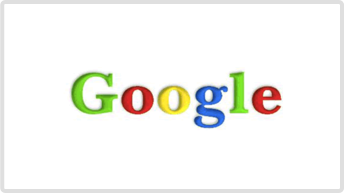
September 28 to October 29, 1998
With the help of GIMP, the first ever logo with the first letter G capital and green different from the one used today was designed by Sergey Brin is a reminder which dates back the evolution of the logo.
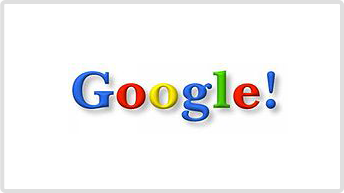
October 30, 1998 to May 30, 1999
Following month, another logo of Google tweaking the shadow impact and an outcry copying the Yahoo! logo was included with a change in the green letter G of Google to blue.

May 31, 1999 to May 5, 2010
By 1999 as Google grew noticeably, it was time to call upon the designing services. Ruth Kedar was appointed giving a new design concept removing the exclamation and darker colors were added.
May 6, 2010 to September 18, 2013
Subsequent to serving for around 11 years, the new logo seeming similar aside from the hues utilized were brighter in the beta testing of the site.

September 19, 2013 to August 31, 2015
The 3D impact in letters and anticipated shadows were totally wiped out in the logo. It was a variety of slight amendments indicating leveled letters when contrasted with the most recent logo utilized today.
September 1, 2015
By 2015, with the new sans-serif typeface called Product sans in-house setting a trend, Google introduced “new logo and identity family” to work across multiple devices giving it a modern appearance to the brand.

apple
Apple Inc. headquartered in Cupertino, California started from the bottom in a small garage by Steve Jobs, Steve Wozniak and Ronald Wayne now is a multinational technology company.
With the incorporation as Apple Computers Inc. in 1977, it has been a long journey since Apple has undergone various adaptation and up gradation in the world of modern technology.
From an apple tree to a bitten apple, see how the Apple’s logo design evolved;
1976 - 1977 by Ron Wayne
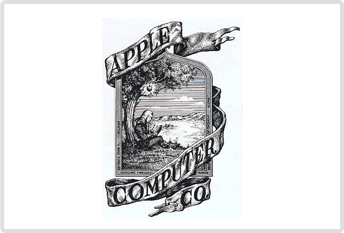
In 1976, the logo composed by Ron Wayne depicted Sir Isaac Newton sitting underneath an apple tree which couldn’t make an effect and was promptly supplanted.
1977 - 1998 By Rob Janoff
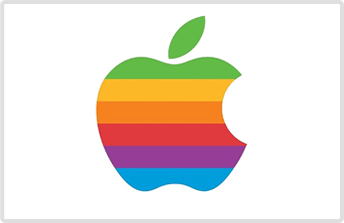
While aiming for clarity second logo was designed by Rob Janoff as the “rainbow apple” with a bite taken out of it representing the fact that Apple II could generate graphics in color.
1998 Aqua - Translucent Version
Almost after 22 years, regaining leadership aimed a new brand logo design to switch from the rainbow variant to the aqua-themed variant nearly identical in shape.
1998 - 2000 Monochrome Variant
In 1999 with the launch of iMac G3, the logo was changed to the monochromatic variant designed by Jonathan with the exception of its color use giving it modern and stylish logo design.
2001 - 2007 Translucent Variant
Since 1998, some redesigns were made in the logo and a new translucent variant was introduced keeping the shape similar to the prior one.
2007 - 2013 Glass - Themed Variant
In 2007, a new logo design keeping it simple as a glass themed variant was launched.
2013 – Present
The monochrome variant taken down in 2000 was re-established in 2014 which is presently in use as the brand logo.
Microsoft
Microsoft Corporation headquartered in Redmond, Washington is an American multinational technology company best known for its software product.
Microsoft, formed with the linguistic blend of words ‘microcomputer’ and ‘software’ was founded by Bill Gates and Paul Allen in 1975.

In the logo evolution phase, Microsoft stands for its simple yet powerful design. Know the journey to a tile-driven current interface,
1975–1980
Getting inspired from the MITS Altair; in 1975 Bill Gates and Paul Allen developed a BASIC interpreter with the idea of designing the logo reminiscing about the 70’s styles and fonts.

1980–1982
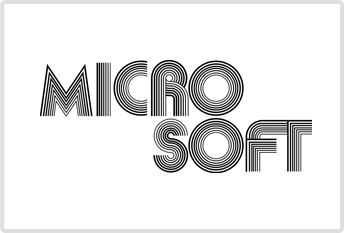
1980 was the era when the company entered the operating system business with UNIX. With the matchless quality increased through MS-DOS the logo was changed containing sharp edges letters inspired from the metal groups of the 80’s.
1982–1987
Holding the possession in 1981, Microsoft, in the long run, turned into the main PC working frameworks vendor. The logo was streamlined from the sharp edges demonstrating supremacy over the IBM PC.
1987–2012
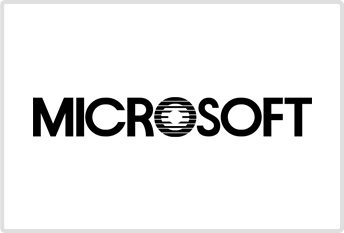
In 1987, Microsoft rebranded its best-referred logo as the ‘Pac-Man’ logo which had a slash separating the o and s to emphasize the soft part of the name. It was designed by Scott Baker serving for almost 25 years.
2012–present
In 2012, the logo centered a move from the exemplary style to the tile-driven current interface. The new logo takes after one of the business openings for Windows 95 with the four squares of then-current Windows logo showing real items.

Skoda
Škoda Auto was established as Laurin and Klement in 1895 is a Czech vehicle producer headquartered at Mladá Boleslav, Czech Republic.
The beginnings of what moved toward becoming Škoda Auto return to the mid-1890s when a 26-year-old Václav Klement (Bookseller) was not able to get extra parts to repair his German bicycle.
1895-1905
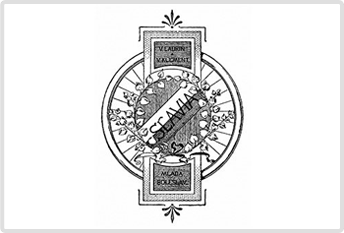
Stretching out back to over 120 years, the adventure began with bicycles under Slavia Brand with logo configuration speaking to a bicycle wheel festooned with linden leaves which symbolized the Slavic countries.
1905-1925
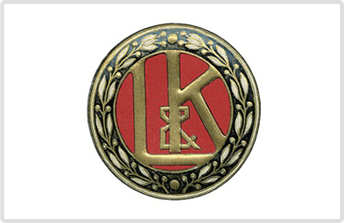
By 1905 the firm began fabricating vehicles, which coordinated L&K for the benefit of Laurin and Klement in the fresh out of the box new logo affected from the Twentieth Century Art Nouveau aesthetic style.
1926-1933
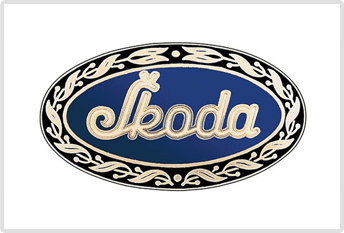
After the Great War, when Škoda Works biggest in Czechoslovakia obtained Laurin and Klement. Also, an artful culmination joining the two personalities, another Škoda logo in oval formed encompassed by laurels was set up.
1926-1990
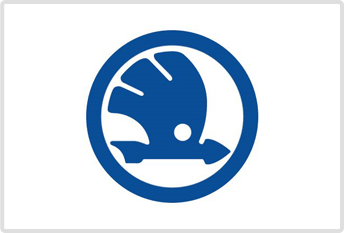
In 1926, a trace of new ‘blue-winged arrow’ logo was being designed representing an Indian headdress with feathers and an arrow. It turned into the brand logo which is as yet utilized today with alternate shading.
1999 - 2011
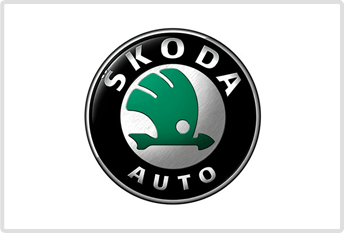
With the beginning of 1999, a wonderful development in Škoda was observed where the black-green logo gave a uniqueness with black showing the 100-year custom and green being condition assurance.
2011 - 2016
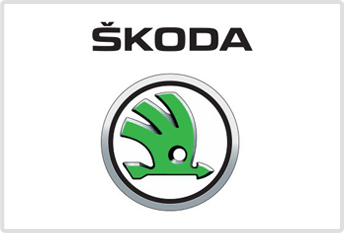
In 2011, entering in the 21st Century second decade the time traveled winged arrow new logo established freshness with the color spectrum being more divergent and precise.
2016 – Present
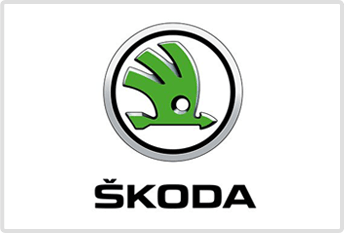
The new Škoda logo adding elegance is established on the proposition ‘Driven by Inventiveness. Clever Ideas – Since 1895’. This new logo launched in 2016 with green as the official color gives heritage and values.
BMW
BMW (Bayerische Motoren Werke), founded in 1916 is a German multinational company currently manufacturing luxury automobiles and motorcycles headquartered in Munich, Bavaria.
The brand has kept on advancing throughout the years, in spite of the fact that the progressions have been negligible given the logo’s famous effortlessness.
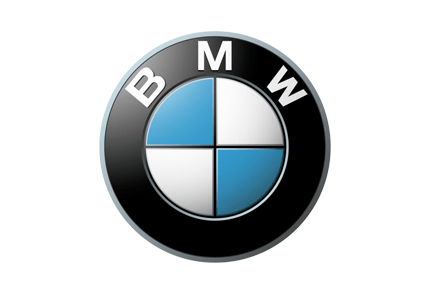
1917
In 1917, after the takeoff of the originator Karl Friedrich Rapp, the organization was renamed Bayerische Motoren Werke (BMW) when the first logo alluded as a roundel, was outlined with effortlessness anticipating lively picture.
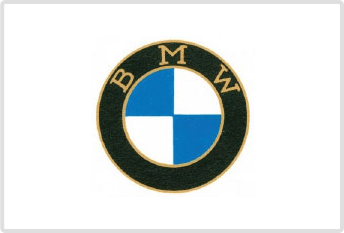
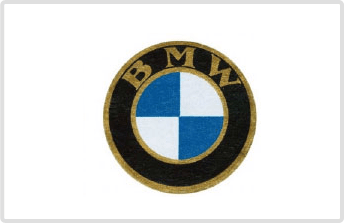
1923
BMW started manufacturing bikes in 1923, with the R32 model and couple of shifts in the letters BMW was bolder and purchased nearer giving the gold outskirt a touch of thickness in the new logo.
1936
All through the 1930s, BMW’s model range was delayed to incorporate increasingly another logo with the extents and shade of blue utilized changed, and the lettering in white with Serif text styles was presented.
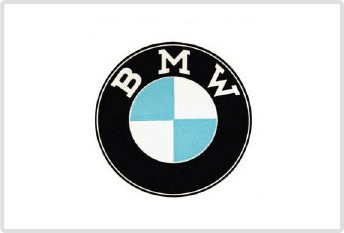
1954
In 1954, the BMW 502 was BMW’s first to utilize a V8 motor with the new logo plan which standardized the Roundel and utilization of white lettering was standard. It was silver when utilized on autos and bikes.
1970
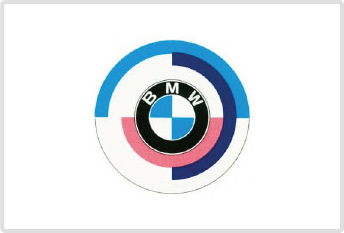
By the 1960s the serif font was replaced by sans-serif. There was a tease with an ‘Engine Sports Roundel’ in the mid-1970s and ’80s which had the standard logo encompassed by the BMW Motorsport hues.
2012–present
The BMW logo having the Roundel portrayed in 3-D frame utilized today was made in 1917 with advancing minor styling changes giving it another bolder and dynamic logo plans on the planet.
Shell
Royal Dutch Shell plc headquartered in the Netherlands, known as Shell; a British–Dutch-based multinational is one of the six oils and gas supermajors coordinated in the United Kingdom.
The word Shell initially showed up in 1891, as the trademark for lamp fuel delivered by Marcus Samuel and Company.
1900
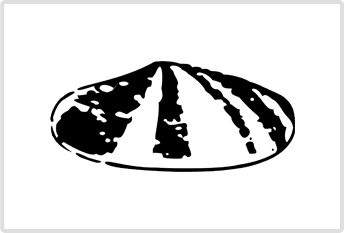
The word Shell was elevated to corporate status in 1897 when Samuel formed the Shell Transport and Trading Company. The first ever logo designed as mussel shell in 1901 was a not an impressive check.
1904
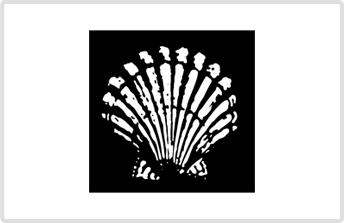
In 1904, Shell transports supplanted the principal ever logo with a scallop shell or pecten containing dark foundation with white edges which formed the fresh start of the logo utilized today.
1909
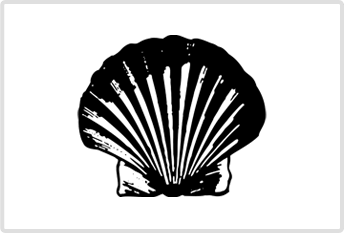
At the point when the Royal Dutch Petroleum Company and Shell Transport and Trading converged in 1907, the last’s image name and image (Shell and the pecten) turned into the insignia of the new Royal Dutch Shell Group.
At the point when the Royal Dutch Petroleum Company and Shell Transport and Trading converged in 1907, the last’s image name and image (Shell and the pecten) turned into the insignia of the new Royal Dutch Shell Group.
1930
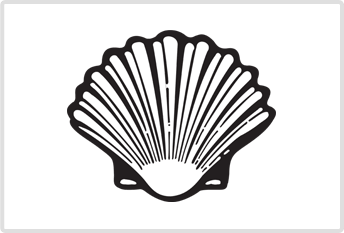
In 1930, the logo was upgraded that looked symmetrical and amazing giving it a state of a crown exhibiting itself as the ruler of business in its field.
1948
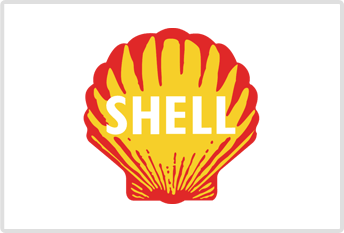
With the presentation of splendid hues in 1948 the design took a step backward as the perfect lines were absent. The yellow and red hues utilized are thought to identify with the shades of the banner of Spain.
1955
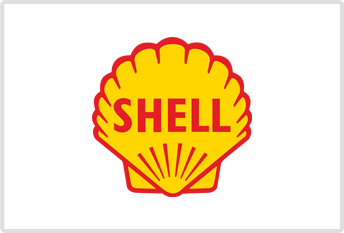
In 1955, the company rolled out a couple of improvements in the logo giving it a taller and clean look preceding the logo in 1948.
1961
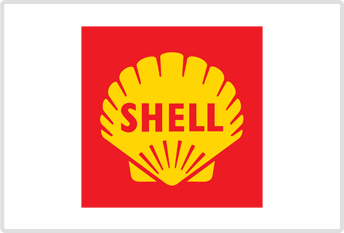
With a similar shell idea for the logo, in 1961 the new logo contained red hued foundation.
1971
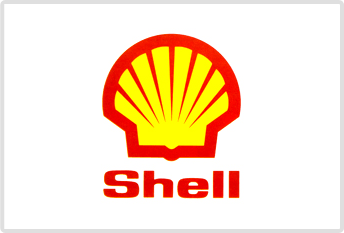
For the benefit, radical changes were made with the presentation of flanking the yellow strips and entire of the logo outline with red shading. What’s more, it has remained from that point onward.
1992-Present
The type of the Shell logo has evolved continuously finished the years in accordance with patterns in visual depiction. Thirty years on it stands the trial of time as one of the universes’ most perceived logo.
Ford
Ford Motor Company is an American multinational automaker headquartered in Dearborn, Michigan, a suburb of Detroit. It was established by Henry Ford and fused in 1903.
Ford is the second-biggest US-based automaker (behind General Motors).
1903–1909
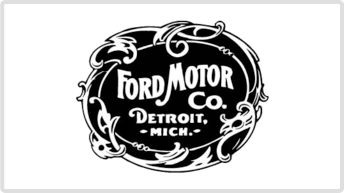
The content lettering was first utilized on company communications in 1903; however, the Model A got special treatment. Ford created the primary logo design finish with a workmanship nouveau fringe.
1909–1912
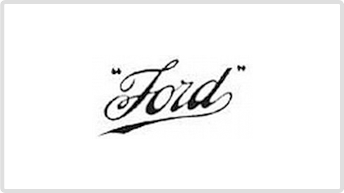
The primary mark based Ford logo is utilized taking after the content we know and love today. Known as the “content with wings” this logo was utilized on all Ford autos up to the finish of 1910.
1912
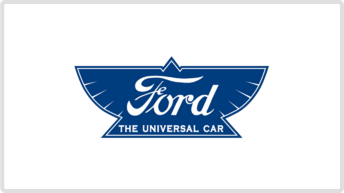
This brief and unsuccessful Ford configuration put the brand signature over a dark blue-winged pyramid. Despite the fact that the logo was immediately expelled after Henry Ford communicated his abhorrence of it.
1912 – 1927
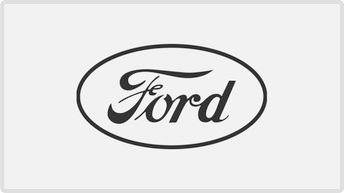
The Ford signature encapsulated towards becoming embodied in an oval. While 1912 was the point at which this new plan turned out to be generally utilized for Ford Motor Company Limited of Great Britain.
1927–1957
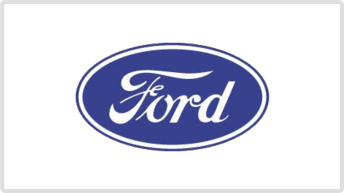
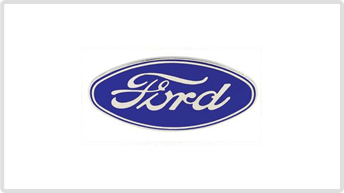
After the oval was presented, it didn’t take some time before it expected its notorious illustrious blue shading; however, its shape was rounder than the present oval is.
1957–1976
Rather than an oval, logo went up against an odd shape for a couple decades– something taking after a lemon. Amid this time, the logo was just utilized on organization correspondences.
1976
The blue oval returned in the 1970s for the 100th commemoration of the brand, the blue logo got a white tint with smooth 3D shading, and additionally the official title of “Centennial Blue Oval.”
2003 – Present
Since 1976, the blue and silver Ford oval have been utilized on all Ford vehicles to give an effectively unmistakable and reliable marking around the globe.
Nike
Nike, Inc. is an American multinational partnership that is locked in with overall advertising and deals administrations headquartered close Beaverton, Oregon
It is the world’s biggest provider of athletic shoes and attire and a noteworthy maker of games hardware.

1964 – 1971
Nike, initially known as Blue Ribbon Sports (BRS), was established by University of Oregon track competitor Phil Knight and his mentor Bill Bowerman in 1964.
1971 – 1978
The Nike Swoosh with Nike composed overtop of the plan in a lowercase textual style corporate trademark was made in 1971 via Carolyn Davidson while she was a graphic design student at Portland State University.
1978 – 1985
Later on, in 1978 they placed swoosh at a different angle to highlight the new All-Cap “NIKE” Indicating forwardness and efficiency to support its core message.
1985 – 1995
In 1985, a slight change in the logo was made by inverting the black and white colors.
1995 – Present
After more than 25years in use, the picture itself characterizes Nike, and it immediately conspicuous. The logo design is bolder, more energetic. Without the content, the Nike Swoosh gives mark acknowledgment.
IBM
International Business Machines Corporation (IBM) is an American multinational innovation organization; headquartered in the Armonk United States.
IBM is likewise a noteworthy research association, holding the record for most US licenses created by a business (starting in 2018) for 25 continuous years.

1888 – 1891
The International Time Recording Company (ITR) started as the Bundy Manufacturing Company. ITR’s fundamental product offerings were mechanical time recorders imagined and licensed by Willard L. Bundy in 1888.
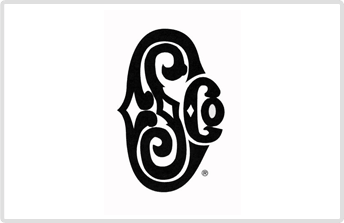
1891 – 1911
In 1891, Edward Canby and Orange O. Ozias acquired the licenses for the recently invented registering scale and joined the Computing Scale Company for the creation of business scales.
1911 – 1924
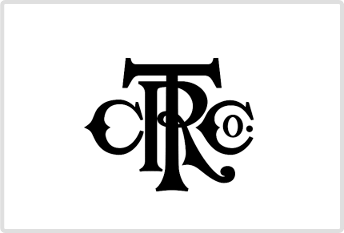
In 1914 Thomas J. Watson, Sr. was named the general director of CTR. Watson underlined research and designing, and brought into the organization his renowned epigram “THINK.”
1924 – 1946
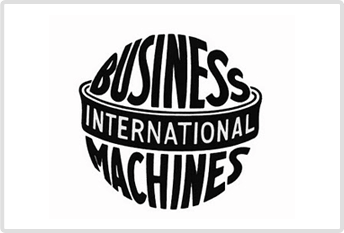
In 1924, the Computing-Tabulating-Recording Company embraced the name International Business Machines Corporation. The “CTR” logo was supplanted by the words “Business Machines”.
1947 – 1956
It started with a change to the logotype, the first in 22 years. The new logo showed up on the masthead of the 1947 issue of Business Machines when well-known “globe” was supplanted with the basic letters “IBM”.

1956 – 1972
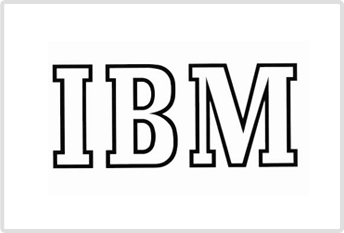
Made by noted graphic designer Paul Rand, the new logotype supplanted the previous, as the letters “IBM” went up against a stronger, grounded and adjusted appearance.
1972
In 1972, the organization presented another adaptation of the logotype. Outlined by Paul Rand, even stripes currently supplanted the strong letters to propose “speed and dynamism.” The essential plan has stayed consistent and a standout amongst the most perceived logotypes on the planet.
Starbucks
Starbucks Corporation is an American coffee company and coffeehouse chain founded in Seattle, Washington in 1971.
As of 2018, the company operates 28,218 locations worldwide.
1971
In the main form, the Starbucks alarm was topless and had a completely noticeable twofold fishtail. The picture is said by Starbucks to be found in the sixteenth century “Norse” woodcut.

1987
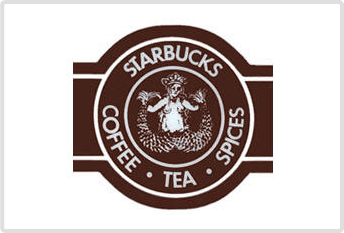
In the second form, the fishtail was trimmed marginally, and the essential shading was changed from dark colored to green, a gesture to the Alma Mater of the three originators, the University of San Francisco.
1992
In the third form, just remnants stayed of the fishtails. The first “woodcut” logo has been moved to the Starbucks’ Headquarters in Seattle.
2011
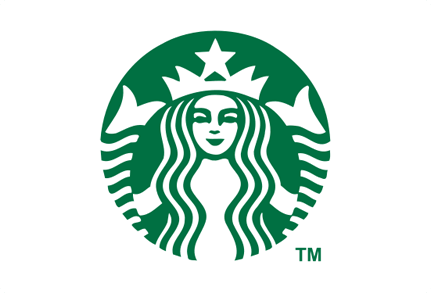
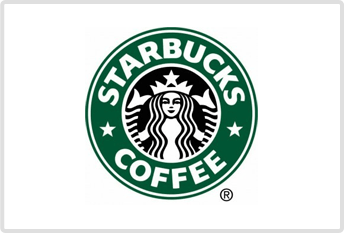
In 2011, Starbucks rolled out little improvements to the organization’s logo, expelling the Starbucks word stamp around the alarm, broadening the alarm picture, and influencing it to green.
Conclusion
As seen above, the evolution of the logo grasps and regards the legacy. In the meantime, developing a point where it’s more appropriate for what’s to come.
Have you realized one familiar thing through the logo evolution process for the famous brand identities? The common thing you’ll notice is that once any brand achieves its recognition, the logo itself can represent the whole brand identity without inserting the brand name in the logo. For e.g. Nike, Starbucks
The understanding of the logo evolution gives the opportunity and adaptability to your brand identity.

FAQs
Brands evolve their logos to keep up with changing market trends, reflect their growth, and better connect with their audience.
Google’s logo has evolved from a simple clipart design to a modern, clean, and professional logo, reflecting its growth and innovation.
Yes, logo evolution helps brands stay relevant, enhance recognition, and adapt to their audience’s changing preferences.
Companies often redesign logos when they undergo significant changes, such as a shift in mission, target audience, or technological advancements.
Absolutely. A well-executed logo evolution can strengthen brand identity and improve customer trust and recognition.










Comments